880 Hillsdale Avenue, San Jose, CA 95136 (408) 266-5432
Our classroom is composed of specific areas of curriculum; these include Practical Life, Sensorial Discrimination, Mathematics, Language Arts, Cultural, and Science.

The purpose of the Practical Life curriculum is not only to teach the child necessary skills for everyday livingbut to help him gain a sense of order and task completion, as well as to strengthen his fine motor skills. Some group time activities will focus on grace and courtesy.

The Sensorial area focuses on the refinement of the senses, which is acquired through the knowledge of colors, shapes, sizes, and the qualities of various objects. Both the Practical Life and Sensorial materials indirectly prepare the child for future academic work.

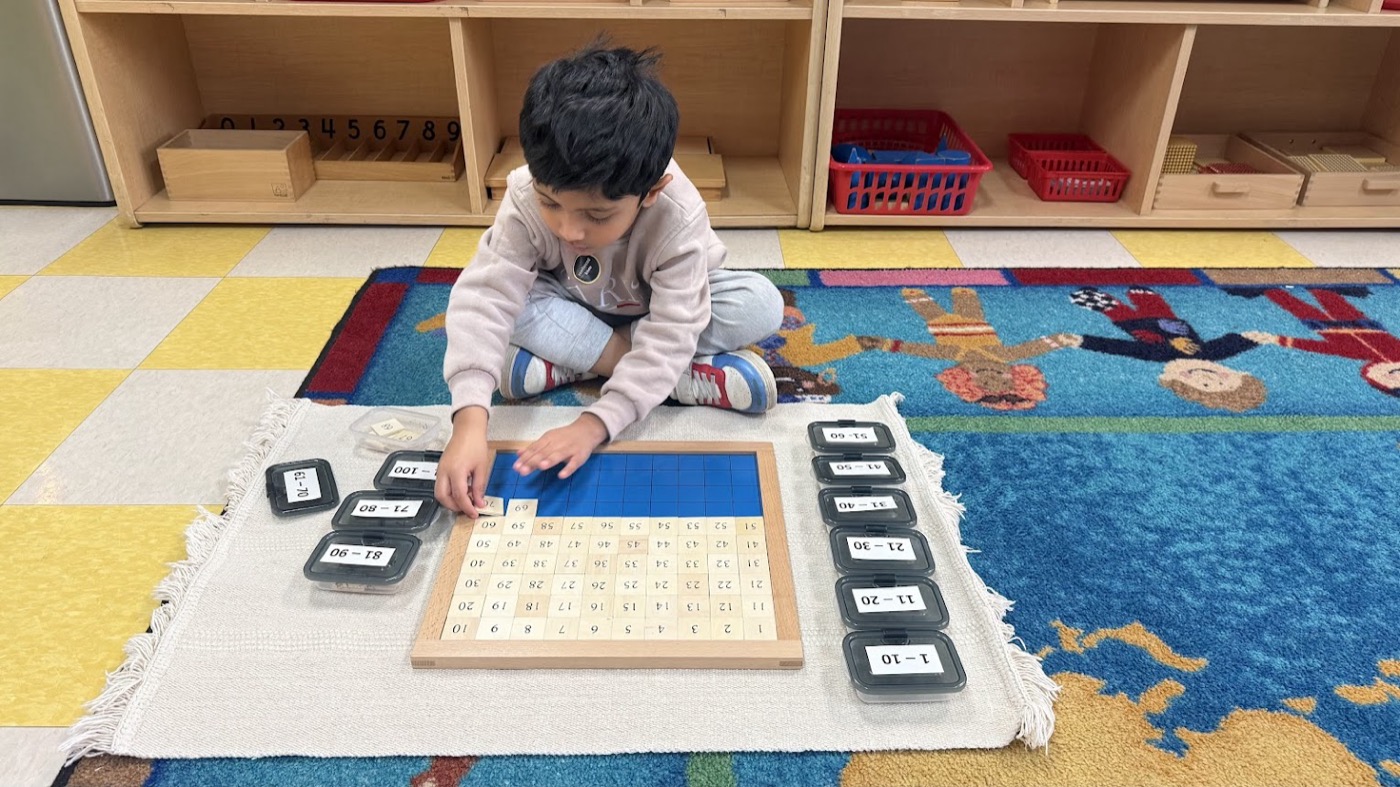
The Mathematics area is divided into three strands: Linear Counting, Base 10 (decimal system) and memorization (number operations). Pattern recognition, fractions and problem-solving are some other math concepts included in our curriculum.

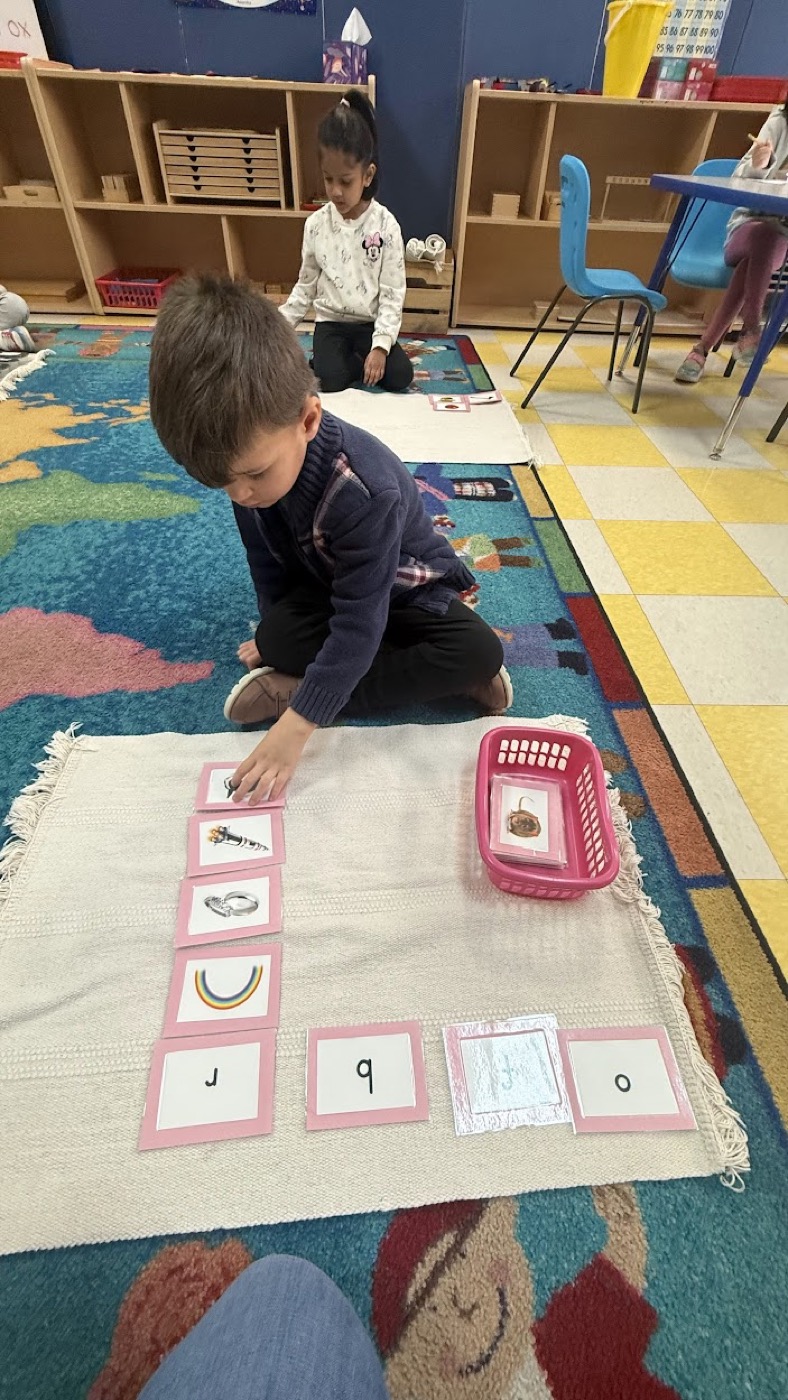
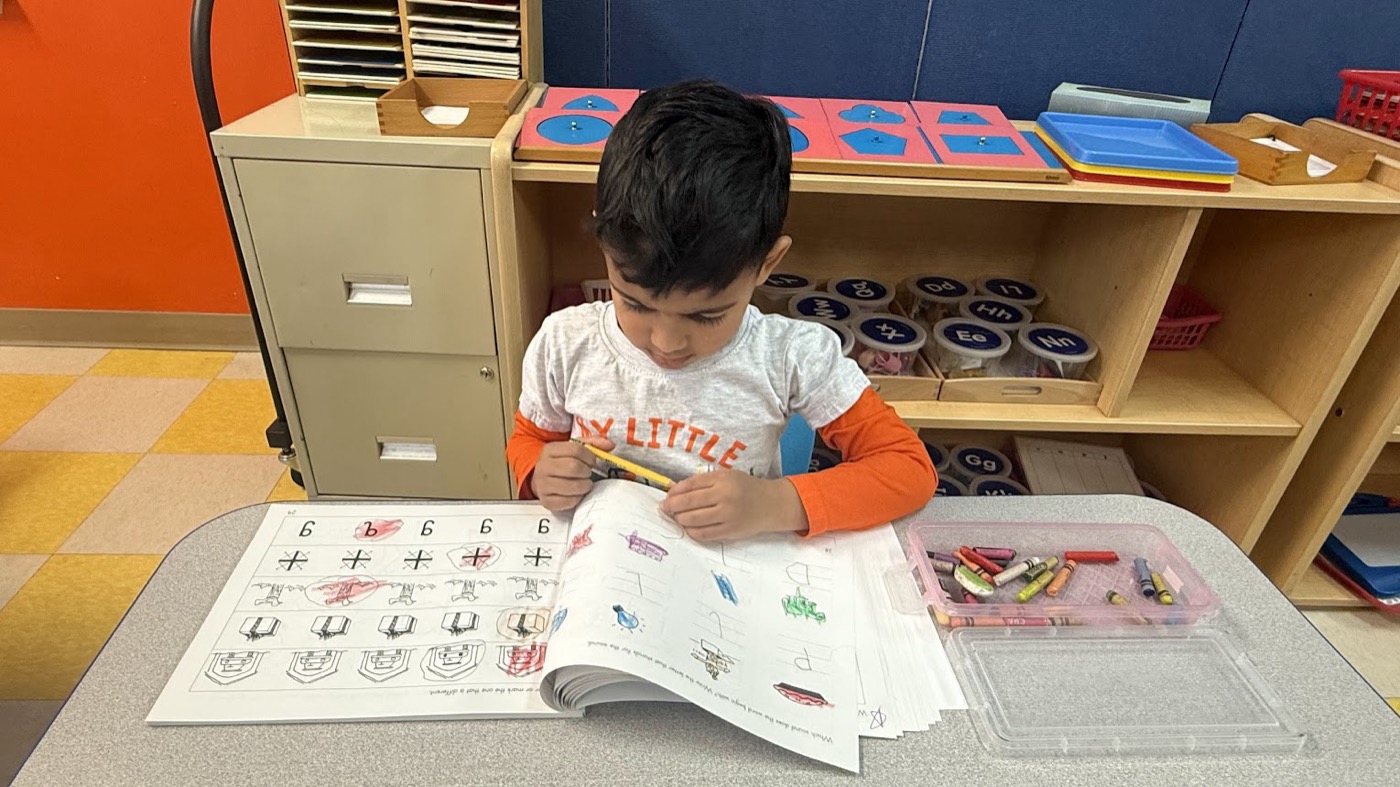
Our Language Arts curriculum includes reading, writing, penmanship and vocabulary development. Our reading program is phonics-based, although we do integrate whole language activities throughout the curriculum areas. The children will be introduced to a variety of literature in order to enhance creativity and reading comprehension.

Gardening allows children to get exposed to outdoor and indoor gardening activitieswhere they will plant seeds and nurture the growing plants inthe process of taking care of them.

Through Music, children learn to hear differences in sounds, discover rhythm, increase vocabulary and experience its impact on moods. We introduce the children to an array of songs, finger plays and nursery rhymes, simple yoga.

Finally, the children will not only be exposed to Geography, but they will gain an understanding and respect for other cultures. The Sciences include Astronomy, Botany, Zoology, Anatomy, and Geology. The children will gain an overall knowledge of the world, as well as develop a deep respect for the environment and those around them.